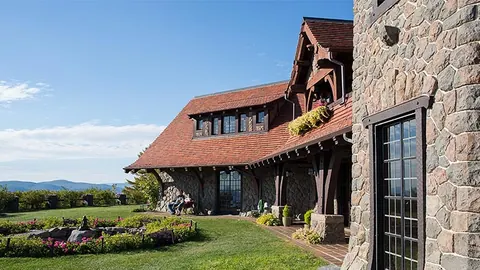
Navigating the world of Victorian architecture can often feel like a trip down an aesthetic labyrinth. Did you know that this unique style developed during Queen Victoria's reign from 1837 to 1901? This blog post will guide you through its captivating history, styles, and some iconic examples, helping unveil its charms and complexities.
Let’s unfurl the mystery of these architectural gems together!
Key Takeaways
- Victorian architecture is a mix of many styles. It came out in Queen Victoria's reign from 1837 to 1901.
- The style shows grand beauty and uses many building materials, like brick, stone, wood, and iron.
- Key styles include Gothic Revival, Italianate, Greek Revival, Queen Anne, and Second Empire.
- Famous examples of this style are seen across the globe such as the Palace of Westminster in England and Carson Mansion in California.
- Many work hard to keep these old buildings safe for future people to enjoy.
History of Victorian Architecture
This era of architecture takes its name from Queen Victoria, who reigned over Britain from 1837 to 1901—a period marked by significant growth and change in society. Victorian architecture is diverse and eclectic, reflecting the mood of an era that spanned almost seven decades.
It embodies a variety of styles, borrowing elements from Gothic, Italianate, Greek Revival, and other architectural traditions. The rapid industrialization during Victoria's reign significantly transformed construction methods and materials—impacting the aesthetics of this period heavily.
Many new ways to build things were found in Queen Victoria's reign. For example, the way we make buildings today started then. The use of iron and glass became common in building large structures like train stations and exhibition halls.
Lots of new cities and towns also grew under her rule with homes showing Victorian styles.
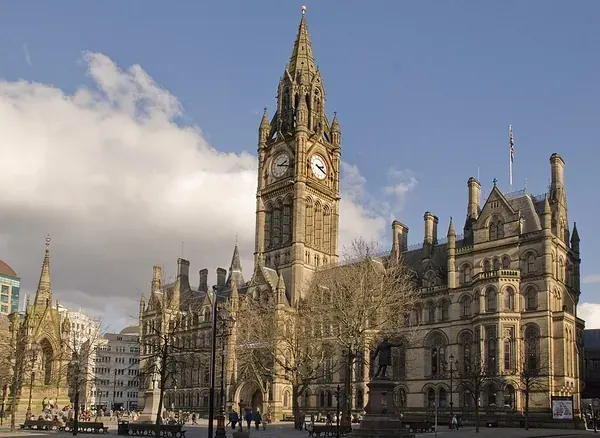
Definition of Victorian architecture
Victorian architecture got its name from Queen Victoria. She was the queen of England from 1837 to 1901. During her reign, this type of building design became popular. It is not just one style but a mix of many styles.
These designs were used in the mid-to-late 19th century. They bring back old ways of making buildings, like Queen Anne style and the revival of Gothic architecture. Every Victorian house has some shared looks but also has its own special details.
The key thing to know is that these houses have lots of tiny parts and fancy works on them.
The Influence of Victorian Architecture
Victorian architecture, renowned for its detailed aesthetics and diverse styles, has left a lasting impact not only in the United Kingdom but also around the globe. It even expanded into science fiction, heavily influencing the Steampunk architectural style.
In the United Kingdom
Queen Victoria ruled over the United Kingdom from 1837 to 1901. This time is known as the Victorian era. Many new buildings went up during her reign. Cities and towns all over the country saw a boom in construction.
Architects became very important, just like they are today. You can still see many of these old buildings across the United Kingdom today.
Internationally
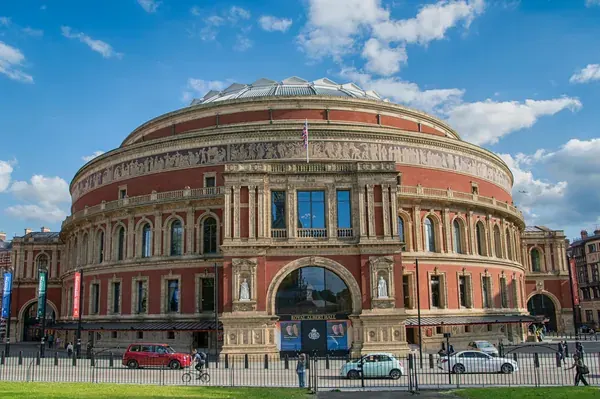
Victorian architecture traveled beyond Britain's borders. It gained fame in many parts of the world. This was due to British influence and rule in other lands during Queen Victoria's reign.
Countries like India, Australia, and Canada display fine examples of this style today. Architects from different cultures blended their own designs with Victorian styles. Therefore, you will find a rich mix of ideas in these buildings.
In the same vein, architects all over the world respect Victorian architecture till now. They study its varied forms to learn new design skills. The period also marked an important stage for the growth of architectural work around the globe.
Characteristics of Victorian Architecture
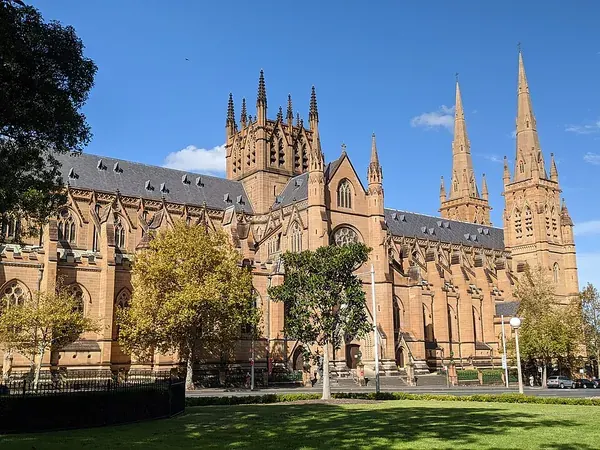
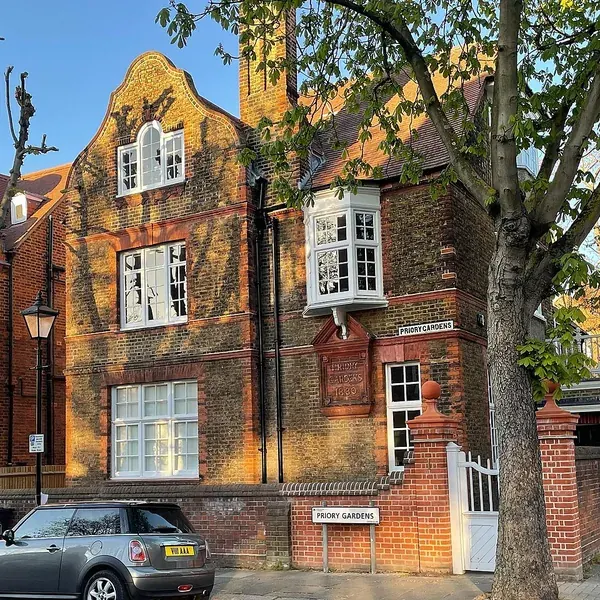
Victorian architecture is notable for its ornate details and decoration, often showcasing an opulent aesthetic. This style isn't shy about mixing and using various building materials to create grand architectural statements, which were to a certain extent lost in the later Edwardian style of architecture.
Despite its abundant use of embellishments, it maintains a sense of symmetry in the design layout. The cornerstone of Victorian architecture lies in its eclectic mix of styles, which stands as a testament to the era's creative freedom and ingenuity.
Ornate details and decoration
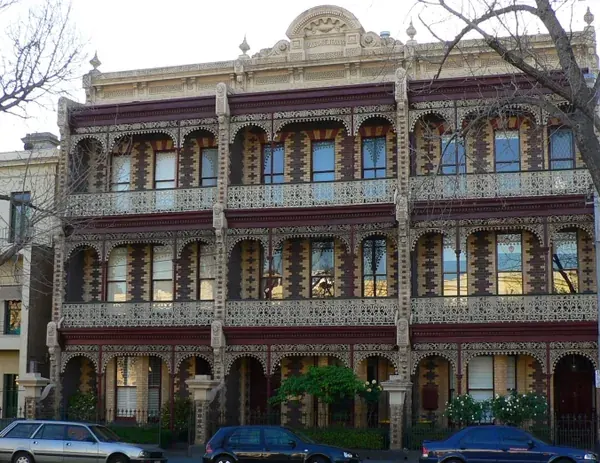
Victorian buildings show grand beauty. They have lavish designs. You can see detailed wood carvings on the walls and roofs. These are known as "gingerbread trim". There is a lot of care in each design piece.
Each part shows skilled craftwork, making every Victorian home unique and beautiful.
Use of multiple building materials
Victorian architecture shows off with a mix of building materials. Brick, stone, wood, and cast iron are all used together. This helps architects craft unique styles. They can be creative and fresh in their designs.
The different materials make the buildings stand out and look amazing. These structures show how clever and skilled the builders were during Victorian times.
Extensive use of symmetry
Victorian buildings show a lot of symmetry. They get this look by copying the same things on both sides. But this is not simple or plain. Towers pop out from roofs, and windows are different sizes.
Many decorations and special parts stick out too. This style came about in the early 19th century as a new idea compared to older styles that were very symmetrical but plain. So while Victorian homes might seem perfectly balanced at first, you'll soon spot lots of exciting and unique details when you take a closer look!
Eclectic mix of styles
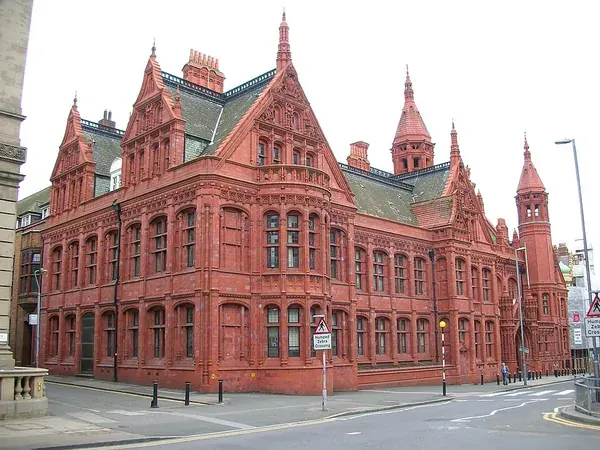
The charm of Victorian architecture lies in its eclectic mix of styles. This mix, so unique to this era, was a showcase for the diverse tastes and influences during Victorian times.
Gothic Revival caught the eye with pointed arches and spiky details. Italianate style stood out with flat roofs and wide eaves.
Then came other styles too! Queen Anne charmed folks with bold paint colors and grand towers. People also loved the Second Empire's mansard roofs and lavish details. Romanesque Revival impressed all with round arches over windows and doors.
Each style had a special place in the vibrant world of Victorian architecture. With such varied designs, each building could look very different from another one down the street!
Popular Victorian Architectural Styles
Delve into the intriguing variety of Victorian architectural styles, from the majesty of Gothic Revival to the charm of Queen Anne, and find out what makes each unique. Stay tuned to discover more about these captivating designs that define an era.
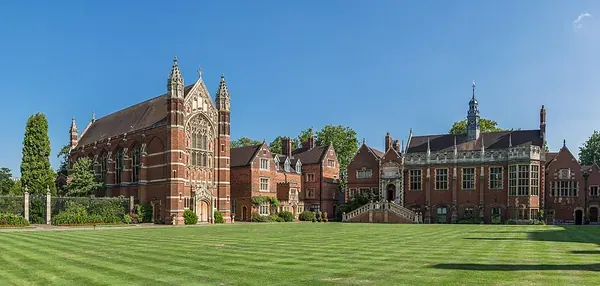
Gothic Revival
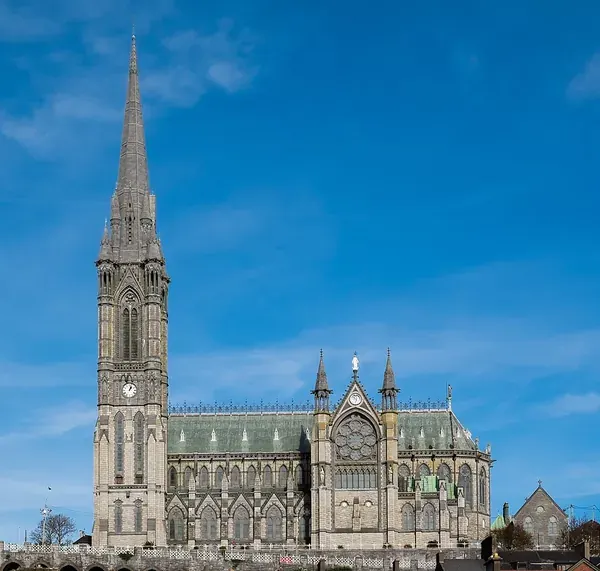
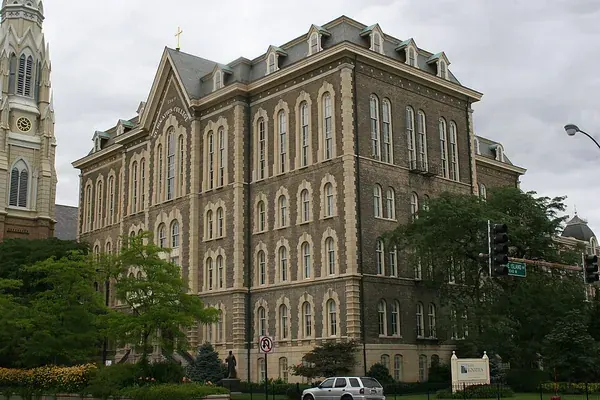
Gothic Revival is a key style in Victorian architecture. It became popular in the mid-19th century. People liked how it took ideas from medieval buildings. This made it stand out against the Neoclassical styles of the time.
Buildings with this Gothic trend often have stone carvings of leaves and use bricks in unique ways. The look comes from masonry construction and patterned brickwork, making each building special.
Italianate
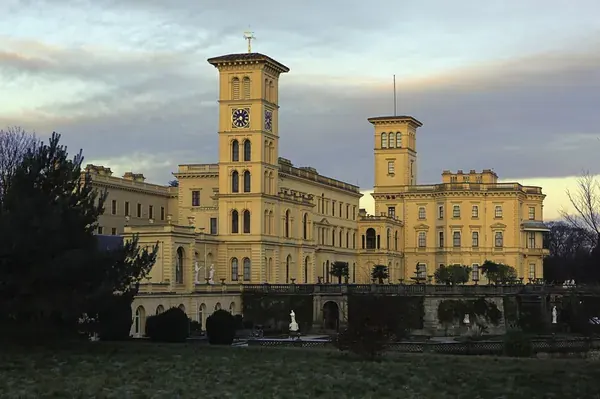
Italianate style was a hit in the Victorian era. It's easy to spot. Look for low-pitched roofs and round-arched windows. The design draws from the 16th-century Italian Renaissance.
This form of architecture is full of detail and has a rich feel. Owners loved it as it showed off wealth and modern tastes. You can find many examples in the United Kingdom and the United States, where middle-class families picked it for their homes.
Greek Revival
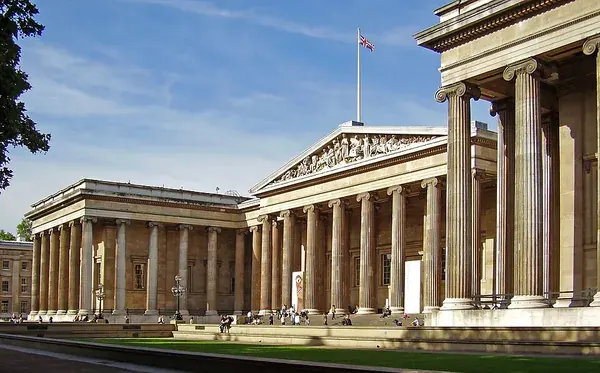
Greek Revival is a big part of Victorian architectural styles. It was loved in America from the 1830s to the 1860s. The style also spread through Europe and the United States during the first half of the 19th century.
This form shows much about simplicity, balance, and grace. Look to examples like The White House for Greek Revival's charm. Words that help us get this style are symmetry, proportion, and elegance mixed with simple touches.
In Greek Revival buildings you can find Ionic columns, Doric order pediments, and porticos common in Neoclassical architecture too.
Queen Anne
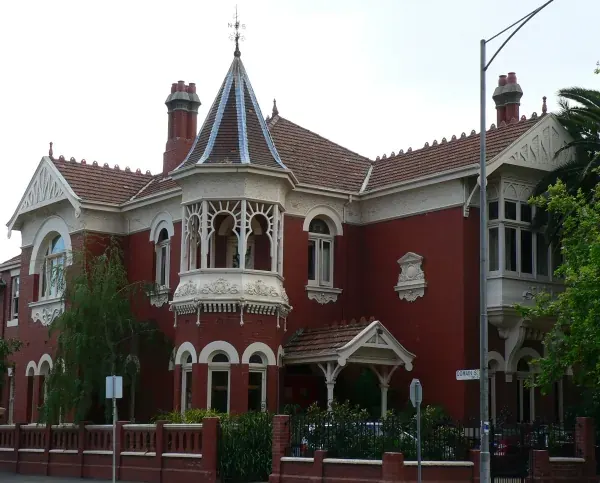
Queen Anne is a style we often see in Victorian architecture. It became trendy in the United States during the late 19th century. The roofs on these houses are complex with many gables and turrets.
Queen Anne homes stand out due to their richly colored, textured exteriors. They show off a lot of detail and focus on decoration. You can find a wide range of architectural elements in this style.
Second Empire
The Second Empire style is a key part of Victorian architecture. It mixes Gothic and Renaissance styles in a unique blend. Often, people also call this the French Second Empire or Mansard style.
You can see it a lot in buildings from the 1860s era in the United States. What makes it stand out is the Mansard roof, a special design linked to this style. After its time, the Queen Anne Style revival took over as the popular choice.
Preservation and Popular Examples of Victorian Architecture
Discover the magnificent efforts taken to conserve iconic Victorian structures like The Palace of Westminster and Chhatrapati Shivaji Terminus, understand the intricate challenges faced in maintaining vintage homes, and take a virtual tour through some globally renowned examples of this breathtaking architecture.
Stay tuned for an engaging exploration!
Efforts for preservation
The Victorian Society leads the charge in saving beloved Victorian architectural landmarks. Their mission is to keep these historic buildings alive for future generations. They engage in many campaigns that aim to restore and safeguard these cultural treasures.
There are challenges, though. Some of the buildings have not aged well. Society has a tough job making sure they stay whole and safe for all to enjoy. But they know how important their task is.
To them, our past matters as much as our future.
Famous examples around the world
Victorian architecture has left us with many beautiful buildings. Let's look at some famous examples from around the world.
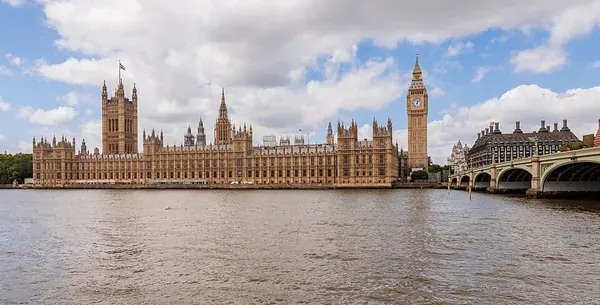
- First, we have the Palace of Westminster in London, England. This grand building is a key part of the city's skyline. It is a landmark and shows Victorian style in every detail.
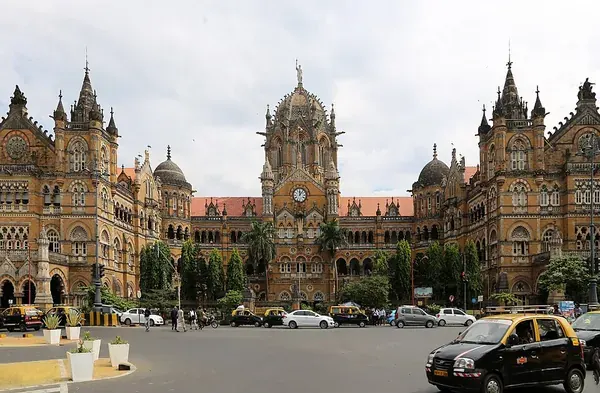
- Next up is the Chhatrapati Shivaji Terminus in Mumbai, India. The old train station shows off its Victorian roots even today.
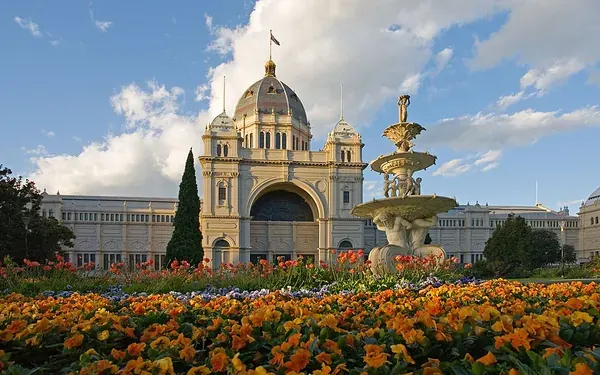
- The Royal Exhibition Building stands proud in Melbourne, Australia. It shines as an important part of Victorian architecture history.
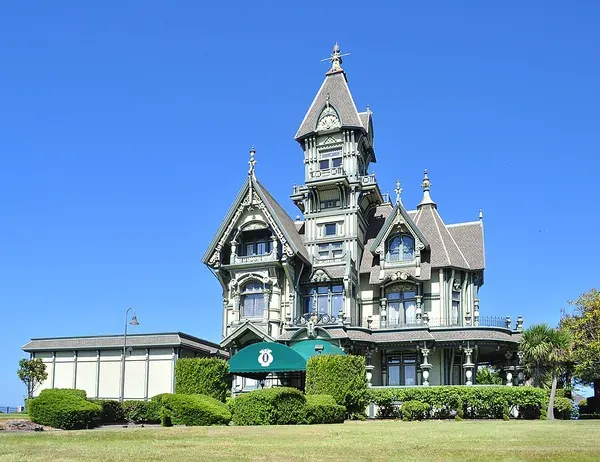
- In Eureka, California, you can find Carson Mansion. This house stands out with its grand size and lots of details.
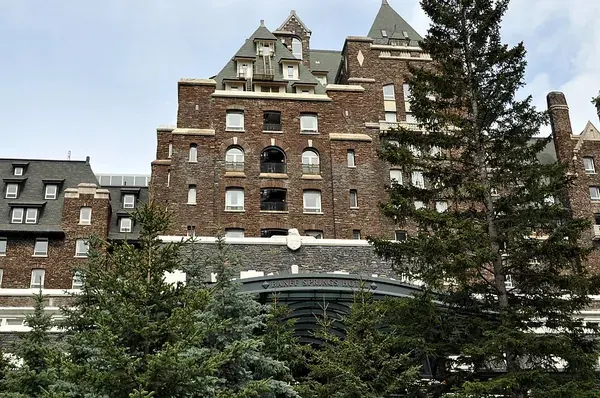
- Lastly, Fairmont Banff Springs is in Banff, Canada. This hotel gives us a fresh look at what the Victorians could do with stone.
Challenges of maintaining Victorian homes
Taking care of Victorian homes is not easy. These homes are old and may have problems with their structure. The walls, floors, and roofs can be weak or damaged.
Another tough thing about these homes is the unique parts. Many parts are made by hand in the old way. Finding new parts that match can be hard, and maintaining them requires both skill and financial resources.
FAQs
1. What is Victorian architecture?
Victorian architecture is a style of building that was popular during Queen Victoria's reign from 1837 to 1901.
2. What are some features of Victorian architecture?
Key features of Victorian architecture include ornate details, textured walls, large windows, and steep roofs.
3. Why is it called 'Victorian' Architecture?
It's called 'Victorian' because this style was popular when Queen Victoria ruled Britain.
4. Are all old houses in the UK Victorian-style?
No, not all old houses follow the Victorian style as there were different styles over time like Georgian or Edwardian.
5. Can I build my house in Victorian style today?
Yes, you can design and build your house in the Victorian style even today with the help of an architect.

Grasshopper Complete Course
Give your architectural skills a boost with the Grasshopper Complete Course. Get over 50 hours of comprehensive Grasshopper training tailored for architects. Learn to generate and iterate designs faster. Click below for more information and streamline your workflows!