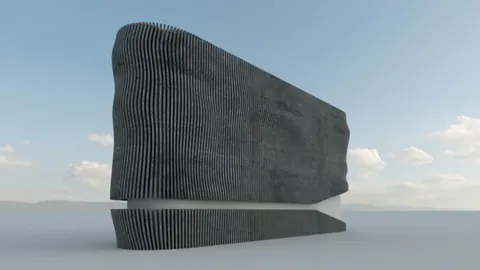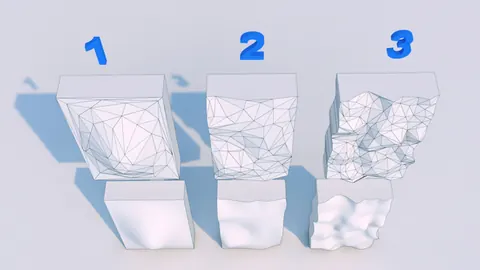
In the world of architectural visualization, conceptual projects offer a playground for innovators to explore unconventional and futuristic designs. One such conceptual endeavor that has recently caught the attention of enthusiasts and professionals alike is the visionary Kazakhstan Theater Facade project. In this article, we delve into the intricate process of modeling this facade using Rhino Grasshopper and T-Splines, showcasing the limitless potential of facade design.
Embarking on a Conceptual Journey with the Kazakhstan Theater Facade
The Kazakhstan Theater Facade stands as a testimony to the boundless imagination of architects. Though the project is still in its conceptual stage, it has managed to spur interest through captivating visuals rendered by OMEGARENDER. Let’s step into the magical journey of creating the facade from scratch using Rhino and Grasshopper.
Step 1: Laying Down the Blueprint
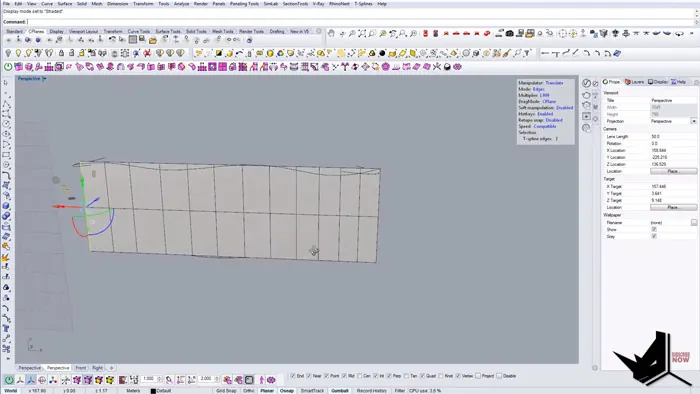
In the absence of formal drawings, the first step involves a speculative approach to recreate the wavy front facade from a top view. A careful consideration of the mid-section reveals an opening that serves as the starting point of the modeling process. The aim here is not to achieve an exact replica but to understand and replicate the concept to the closest approximation.
Step 2: Painting the Front View
As we transition to the front view, reference lines assist in mapping the wavy form of the Kazakhstan Theater Facade. The grandeur of the project begins to take shape with the illustration of a big grand opening at the bottom, a remarkable feature that promises to be a hallmark of the design.
Step 3: Crafting the Surface with Spline Surface
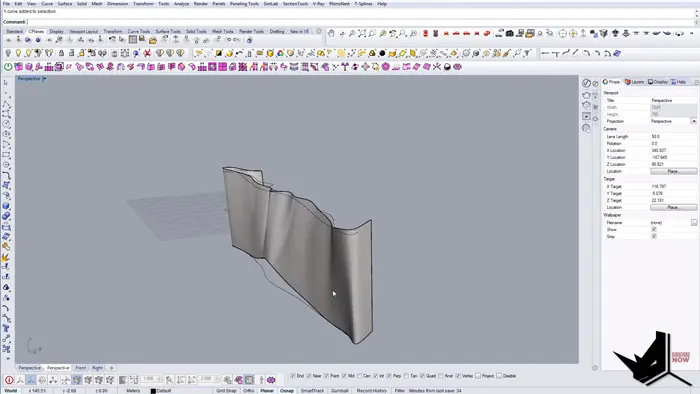
To craft the primary structure, we utilize the T-Spline surface tool to form a simple surface. A series of extrusions following the contour of the original image bring the structure to life, forming the initial stage of the facade. Throughout this stage, adjustments are made through control points to closely mirror the envisioned design.
Step 4: Transition to Rhino Surface
After laying down the general form, it is converted into a Rhino surface. This step includes the execution of an offset function to create a distinct boundary. The focus remains on achieving a substantial similarity with the conceptual visuals available for the project.
Step 5: Embarking on the Grasshopper Journey
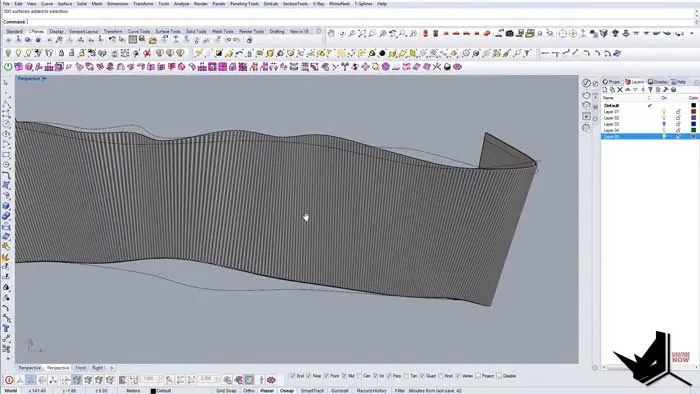
As we move into Grasshopper, the real magic begins. The surface crafted in Rhino becomes a canvas in Grasshopper, where it undergoes division into domains. A meticulous process of division and a calculated approach to selecting every second division through a call pattern ensure the facade begins to showcase its destined grandeur.
Step 6: Crafting the Final Facade Elements
The resulting divisions from Grasshopper transition back to Rhino, where they undergo a process of offsetting to attain thickness, bringing a 3-dimensional life to the facade elements. This approach grants the facade not just aesthetic appeal but a tangible structure, showing a glimpse into the potential reality of the conceptual design.
Step 7: Unveiling the Kazakhstan Theater Facade
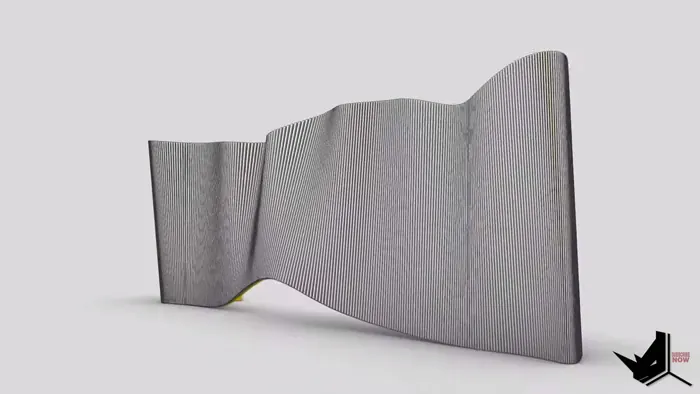
As we reach the conclusion of this fascinating journey, we witness the birth of a masterpiece, a true testament to the power of architectural visualization tools. The final representation, rich with wavy patterns and grand openings, perfectly illustrates this project’s futuristic vision, promising to be a marvel in architectural design.
Conclusion
Embarking on a creative journey to bring the Kazakhstan Theater Facade to life with Rhino and Grasshopper offers not just an insight into the boundless potential of architectural design, but also showcases the capabilities of modern design tools. The intricate process of bringing a conceptual project to life, rich with dynamic forms and futuristic elements, stands as a testimony to the new horizons that architectural enthusiasts and professionals can explore.
As always, we are open to your thoughts and questions in the comment section below. Make sure to subscribe and activate notifications to stay tuned for more insights and tutorials on groundbreaking projects like the Kazakhstan Theater Facade. Until next time, immerse yourself in the world of architectural wonders, and see where your creativity can take you!
Rhino for Architects Course
Give your architectural skillset a major boost with the Rhino for Architects Course. Get over 60 hours of focused training tailored specifically for architects. Master commands and techniques to model, render, and animate architectural visualizations at the highest level. Click below for more information and watch your designs come alive!