
If you're a professional architect or architecture student, you've probably seen by now the power of parametric modeling with Grasshopper. With just a couple of input sliders, we can create countless design iterations in just a couple of seconds. That's efficiency at its finest and the beauty of using Grasshopper for architecture.
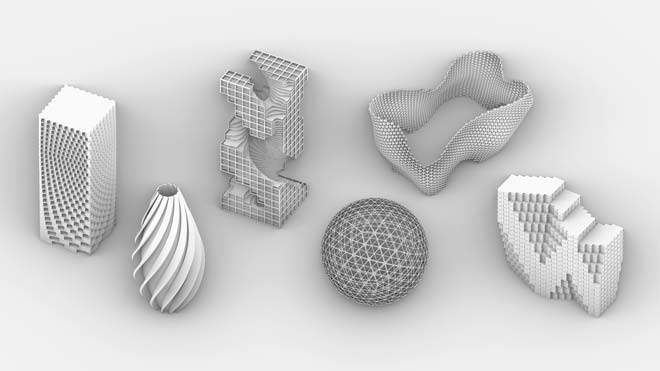
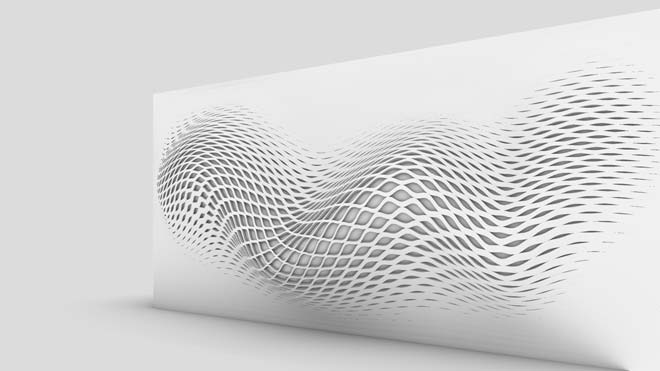
For example, this kind of intricate parametric design would be very difficult and almost impossible to achieve with traditional design methods. That's why more and more architectural offices are using Grasshopper because it allows us to automate a lot of repetitive tasks and at the same time develop and fabricate incredible facade designs.
Knowing Grasshopper can make you stand out so much because it is currently an extremely valuable skill set that is in high demand at the moment. Just take a look at any established architectural design office that is hiring. In nearly 90% of the job ads for a design architect, you'll find they ask for knowledge in Rhino and Grasshopper. If you ever thought about exploring the world of computational design and parametric architecture, Grasshopper is by far the best tool on the market that is used by some of the most prestigious architecture offices today like ZHA and BIG.
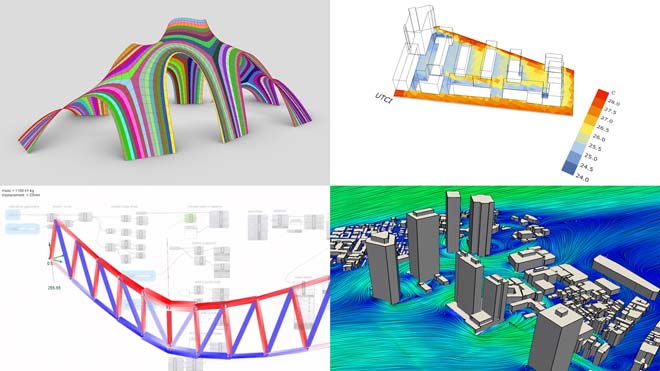
The grasshopper community is one of the strongest in our niche! That's because Grasshopper was initially designed as a platform that can be integrated with various applications that can help us with form-finding, project and site analysis, sunlight and wind analysis, structural analysis, digital fabrication, and many many more use cases.
You may be wondering… All right, Grasshopper is amazing and this all sounds great, but what's the catch?
Well, the thing is that Grasshopper is not a typical 3D program. Think about it as a graphical interface that we use to create parametric algorithms. Every single component has it's own function and our goal is to connect those functions and create a parametric script that will help us generate a desired geometry.
Learning Grasshopper from scratch can be a challenge for many people because it's so much different than any other tools we use as architects. Another big challenge is understanding the logic and mathematics behind Grasshopper and finding the right learning resource and platform with a tutor that can answer all your questions.
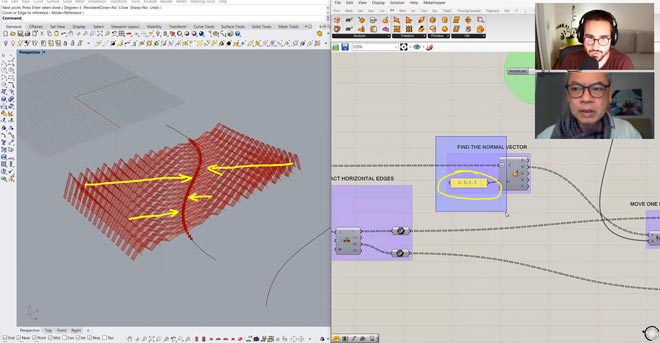
That's why we created Grasshopper Course for Architects which will be a single source of information that you'll ever need. Our goal with this course is to help you learn Grasshopper in the shortest time possible even if you never opened it before.
Whether you're a total beginner or an intermediate user, our Grasshopper Course for Architects is going to be the biggest shortcut you can take to get to a professional level where you'll be comfortable in creating any kind of parametric form you imagine.
These skills will help you achieve complete design freedom and the ability to create projects for your portfolio that will land you a dream job or win an architectural competition and get recognized as an architect. So if you're serious about this, let us share a bit more information about our program…
Grasshopper Complete Course
With our Grasshopper Course for Architects, you'll be able to...
- Understand the logic and math behind Grasshopper
- Create your own parametric algorithms from scratch
- Improve and troubleshoot your existing Grasshopper scripts
- Advanced Grasshopper techniques explained through 10 complex projects
- Understand 500+ Grasshopper Components explained in detail through practical examples
- Lifetime Access
- Immediate Start
- 18 topics in 3 modules
- 68+ hours of video
- 500+ components covered
- 10 Complex Projects
- Resources & PDF Guides
- Project & Homework Files
- Future Updates
Grasshopper Complete Course is the most extensive training on Grasshopper we ever created. This is intended for total beginners, intermediate and even advanced users who want to get to a proficient level of Grasshopper as soon as possible and implement these skills practically on your architectural projects.
All of our exercises and lessons are created by following a step by step learning approach which means that we go from very simple lessons at the beginning and then we slowly increase the complexity as we progress through the training.
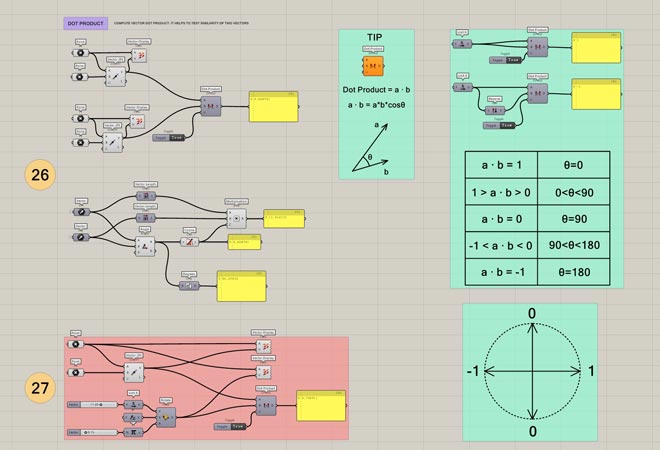
Your goal is to watch the video lessons at your own pace and then practice what you learned by using our dedicated homework assignments.
If you have any questions along the way, write them down and send them to us and we would get back to you as soon as possible with a video explanation.
If that's not clear enough for you, we would arrange a special 1 on 1 live call with you, so we can go over all of the details together.
And now, let's see what you're actually getting once you join us…
What's inside?
All of the content is divided into three big modules called essentials, intermediate and advanced. The first module, Grasshopper Essentials is going to introduce you to the world of parametric modeling.
We're going to discuss what Grasshopper is, how to get started from zero and how to start building your own scripts. You'll also have dedicated homework exercises that are going to follow all of the lessons in the first module.
In this module, we will get familiar with Grasshopper interface and its core concepts. By the end of the module, you will be able to create basic parametric algorithms from scratch and develop parametric thinking which would allow you to further explore your design ideas and concepts.
In this module you'll learn:
- How to approach learning Grasshopper methodically
- Understand the logic behind Grasshopper and how to implement it in your own projects
- Grasshopper interface and most important components
- Core concepts of Grasshopper
- Create your own basic parametric algorithms from scratch
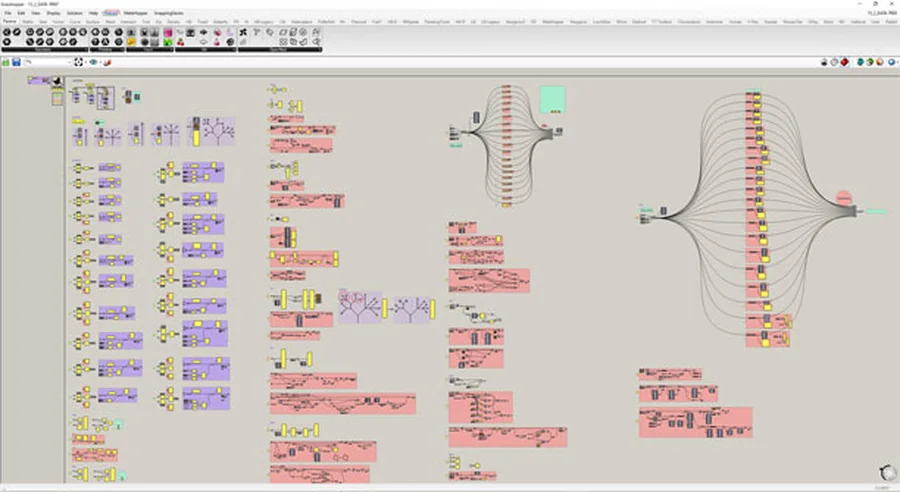
This module is going to continue where Grasshopper essentials ended. The focus of this intermediate part is to give you a complete overview of all the rest of Grasshopper components in great detail. We covered here more than 95% of the components through practical examples and possible use cases in architecture.
In this module you'll learn:
- How to determine the best approach when creating an algorithm
- How to find errors in your algorithms
- Math and data structure behind parametric modeling with Grasshopper
- How to deal with multiple data streams, attractors and combine them
- Everything about Data Tree and Data structure
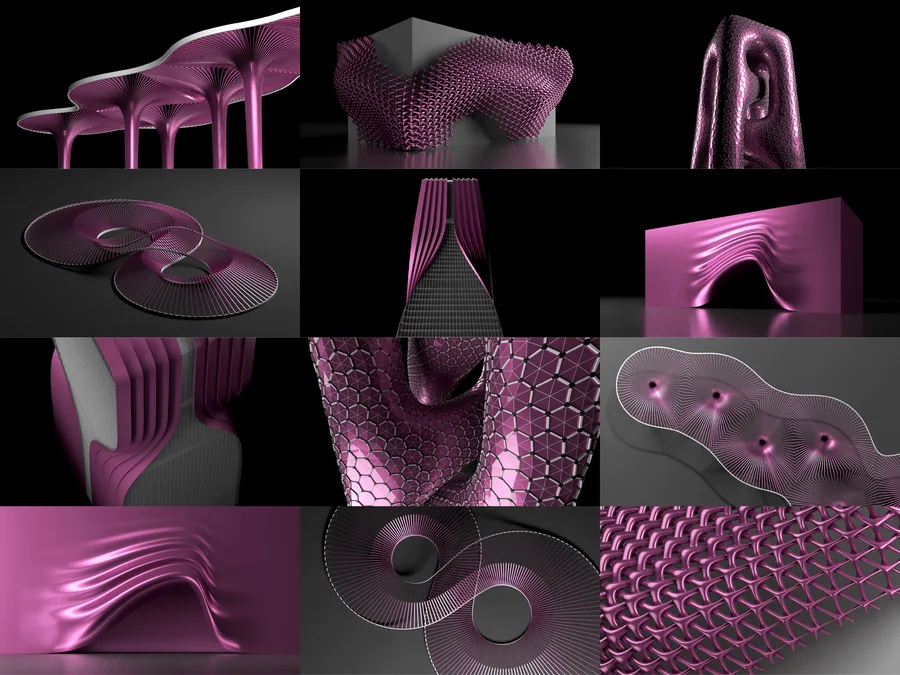
This module will focus on using all the tools and components covered in the previous two modules. We will explain in great detail the process of creating highly complex definitions through 10 architectural projects.
In this module you'll learn:
- Advanced approaches when creating an algorithm in Grasshopper
- Simplifying logical processes when creating complex forms
- Combining multiple geometry types including SubDs, Meshes and Surface Geometry
- Allianz Arena Facade
- The Imprint by MVRDV
- Solar Trees Marketplace by Koichi Takada Architects
- Bamboo Craft Village by Archi Union
- Founder International Financial Center by Aedas
- Sarcostyle Tower by Hayri Atak with Hexagrid
- Arachne by Archi Solution Workshop
This is not going to be a typical YouTube tutorial where we start modeling a project and you just try to follow us and copy the same things that you see on the screen. Instead, here, we are going to focus on showing you all the fundamentals.
We're going to talk about each individual component, explain its parts, explain how to use it in a practical example and how to troubleshoot your own scripts, find problems and more importantly, find solutions to those problems.
In other words, we want you to understand Grasshopper on a deeper foundational level, so that you don't have any issues later on when you start creating complex parametric designs.
The second module is going to be Grasshopper Intermediate where we'll continue with explaining all the rest of Grasshopper components in great detail.
This means that as we progress through the course, we're going to include the components that we used in the previous module and slowly build more and more complexity with our scripts.
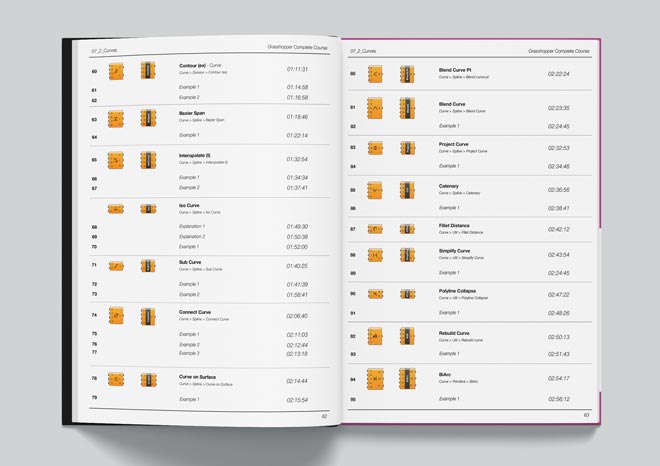
It's worth pointing out that you'll also get access to a special timestamp PDF guide that contains the list of all the components and exercises we covered in the first two modules. Think about this as a "Complete A to Z guide" of more than 500 components that exist in Grasshopper and you'll be able to know exactly in which video and at what time a certain component is explained. This way you'll be able to quickly remind yourself how a certain component is used and you'll be able to revisit this as many times as you want.
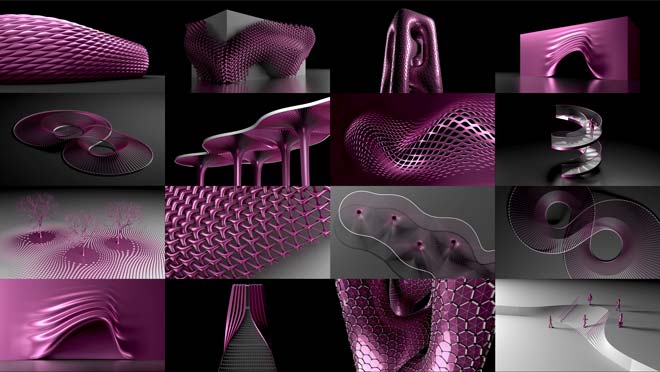
Once you finish with the intermediate module, you'll be very well prepared for the next one called Grasshopper advanced. We are going to cover 10 highly advanced projects and you'll get a very good idea on how to simplify complex designs and produce them exactly as you initially imagined. Every single project is unique, so our goal here is to show you many different advanced strategies in Grasshopper, so when the time comes, you'll know exactly what strategy to use on your own project.
There are 68+ hours of video material in Grasshopper Course for architects, so our advice is to really go one step at a time and do all the modules in the sequential order. You would get the best results if you spend an hour or two a day practicing Grasshopper. We've had more than 850 people who finished our courses, so we can assure you that when you go through our training, you'll be proficient in Grasshopper as long as you do the work, commit and put in the time.
Take a look at some of our students who successfully graduated from our courses, so you can get an idea of what to expect once you join our inner community.
What Our Students Say
Gabriele Uberti
Italy"The educational approach in this course is exceptional. Beyond just tips, it teaches the philosophy behind 3D modeling, enabling easy application to personal projects. I sincerely urge you to schedule a call with Dusan. Despite initial hesitations about my English and fears of wasting his time, I'm grateful I made that choice. It's a decision that can transform your work and life."
Karol Galan
Poland"After just two modules, I became confident in using the software, even assisting my peers. The course's standout feature is the accessibility to Dusan. He encourages consistent feedback and questions throughout. The ability to schedule 1 on 1 coaching sessions, discussing both course and personal project issues, is invaluable. For beginners, this course ensures you're never stuck without solutions."
Felix Leung
Hong Kong"I have ideas in my head that I struggle to explain with just paper and pen. Then I discovered the How to Rhino YouTube channel. The tutorials were easy to understand, leading me to join the course for a structured approach. This course teaches what schools don't: the technical skills for complicated concepts and free-form models. I no longer limit myself to simple forms because now I can create complex 3D geometries."
Do I need to know Rhino to use Grasshopper?
And now, let us answer one of the biggest questions we get from our students. Do I need to know Rhino to use Grasshopper?
As you may know, Grasshopper is a part of Rhino now and these two tools work hand in hand even though they have their own commands. Although, it is not absolutely necessary to know Rhino in order to use Grasshopper, you need to at least know the basics of Rhino.
This will allow you to really play with forms, understand their connections, use both organic shapes and fluid forms with parametric capabilities, so knowing both tools is really going to make a difference in your workflow.
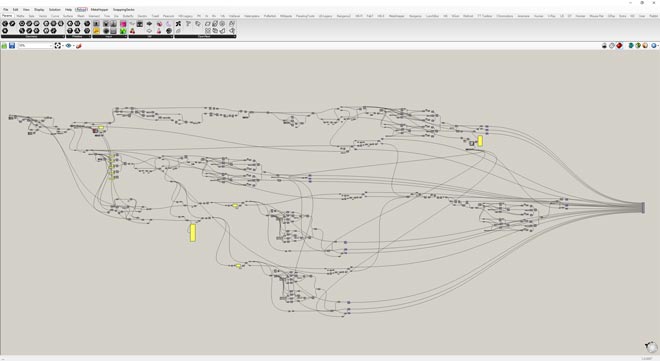
Compared to Grasshopper, Rhino is much easier to learn, simply because Grasshopper is so different and it is not a typical tool that we're used to. And you're interested in learning Rhino first in a structured way, you may want to check out our Rhino course for architects. That's really going to help you with getting proficient with Rhino, learning the basics, intermediate and advanced modeling as well as project presentation, rendering, animation etc.
Ready to start learning Grasshopper?
Curious to learn more? Select a time below for a FREE Zoom call with our team. We'll cover all the details about the Grasshopper Complete Course, walk you through pricing options, explain how the training is structured, and share some bonuses you'll get when you enroll.
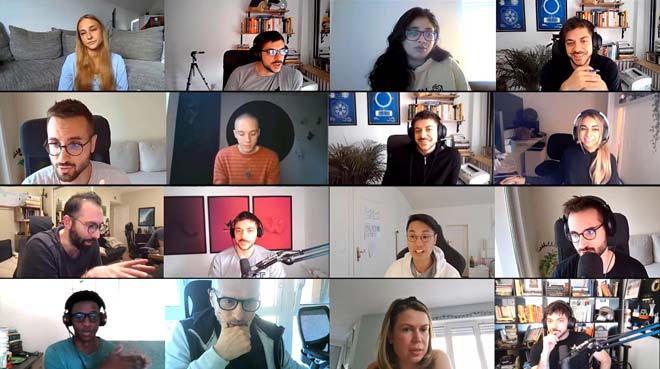
We like to connect personally with every student before they join. This way we can understand your current Grasshopper experience, learn about your goals, and make sure this course is genuinely the right fit. We'll also show you around our learning platform so you know exactly what to expect. Bring all your questions, we're happy to answer everything during the call.
Choose a time and let's chat
Your Course Teachers

Dušan Cvetković
How to Rhino
Professional Architect
Dusan is a professional architect with over 13 years of Rhino experience and the founder of How to Rhino, where he has taught Rhino to thousands of architects around the globe.
Dusan Cvetkovic is a professional architect from Serbia with extensive international experience. For over 13 years, he has been using Rhino in the architectural industry, working on projects and consulting with companies in Poland, Italy, Portugal, Denmark, and throughout freelance contracts from all around the globe.
He is the founder of the How to Rhino community, a platform dedicated to teaching architects how to use Rhino in the most efficient way possible. Through his online courses, social media channels, and YouTube tutorials, Dusan has successfully taught Rhino to thousands of students and professionals worldwide, establishing himself as a leading educator in the field.

Lazar Đurić
How to Rhino
Computational Designer
Lazar is a professional architect and computational designer with over 13 years of experience using Grasshopper on international projects, specializing in parametric modeling and digital fabrication.
Lazar Djuric is a professional architect and computational designer who has been using Rhino and Grasshopper for over 13 years. His international experience includes working in Poland, Spain, the Maldives, and China, where he had the opportunity to implement his knowledge of parametric design on a multitude of projects of all scales and typologies.
As a core member of the How to Rhino community, Lazar is responsible for teaching parametric modeling and digital fabrication. He brings his deep, hands-on project experience to the community, helping architects and designers master Grasshopper to turn their complex design ideas into reality.